Miyawaki forests in Indore, Madhya Pradesh
Dense native forests, grown in months — not decades.
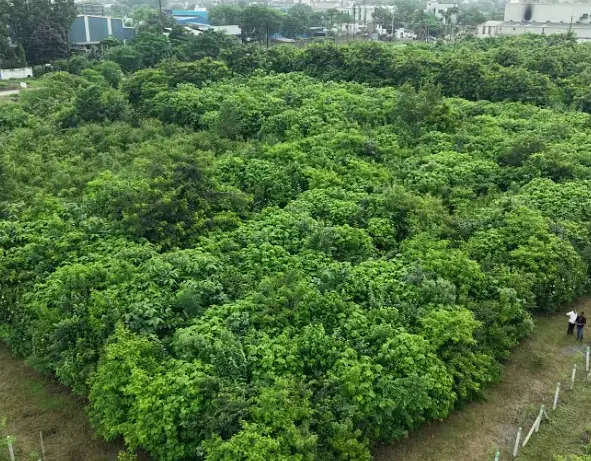
Ghanera Jungle turns bare land into thriving, self-sustaining urban forests using the Miyawaki method: native species, planted densely, cared for until the forest can stand on its own.
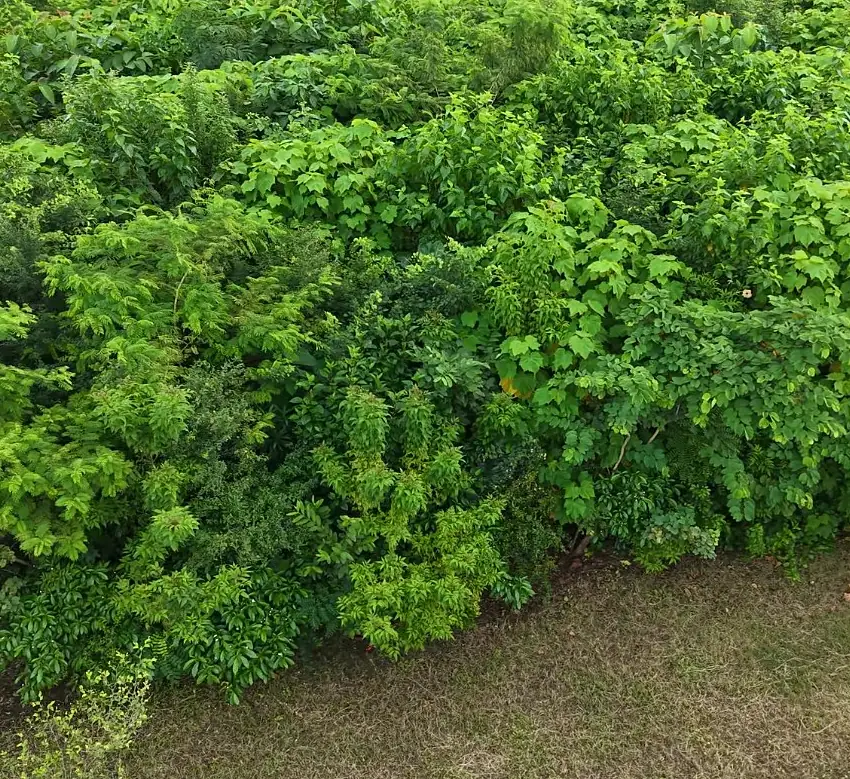
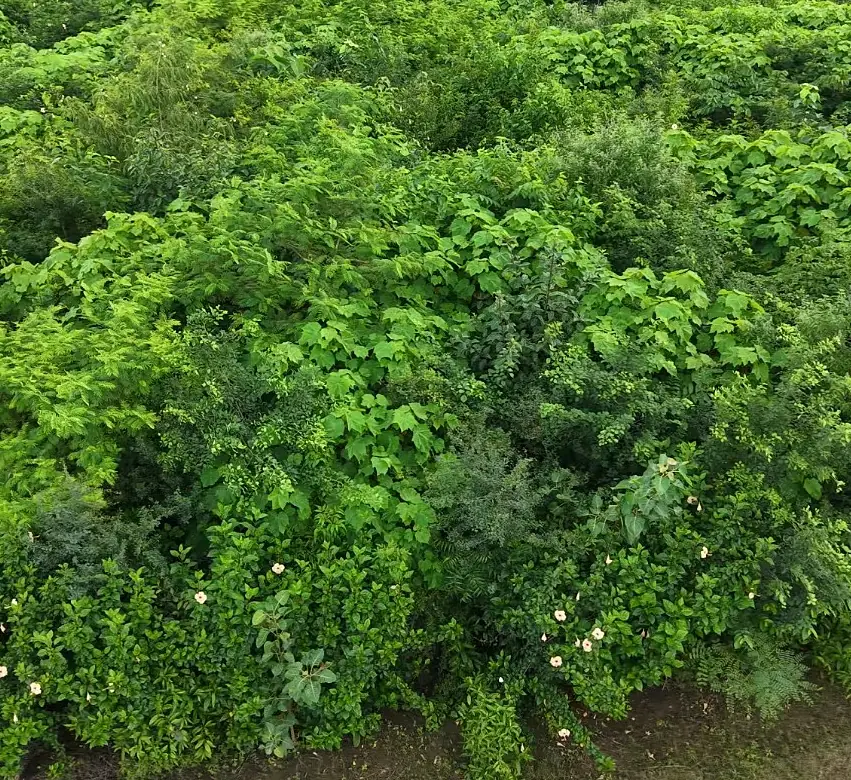
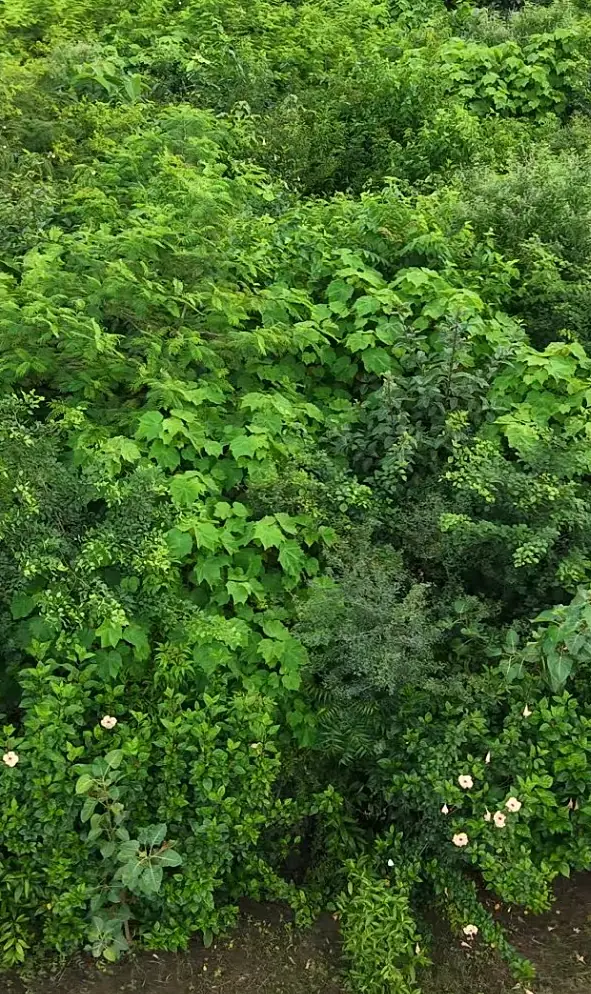
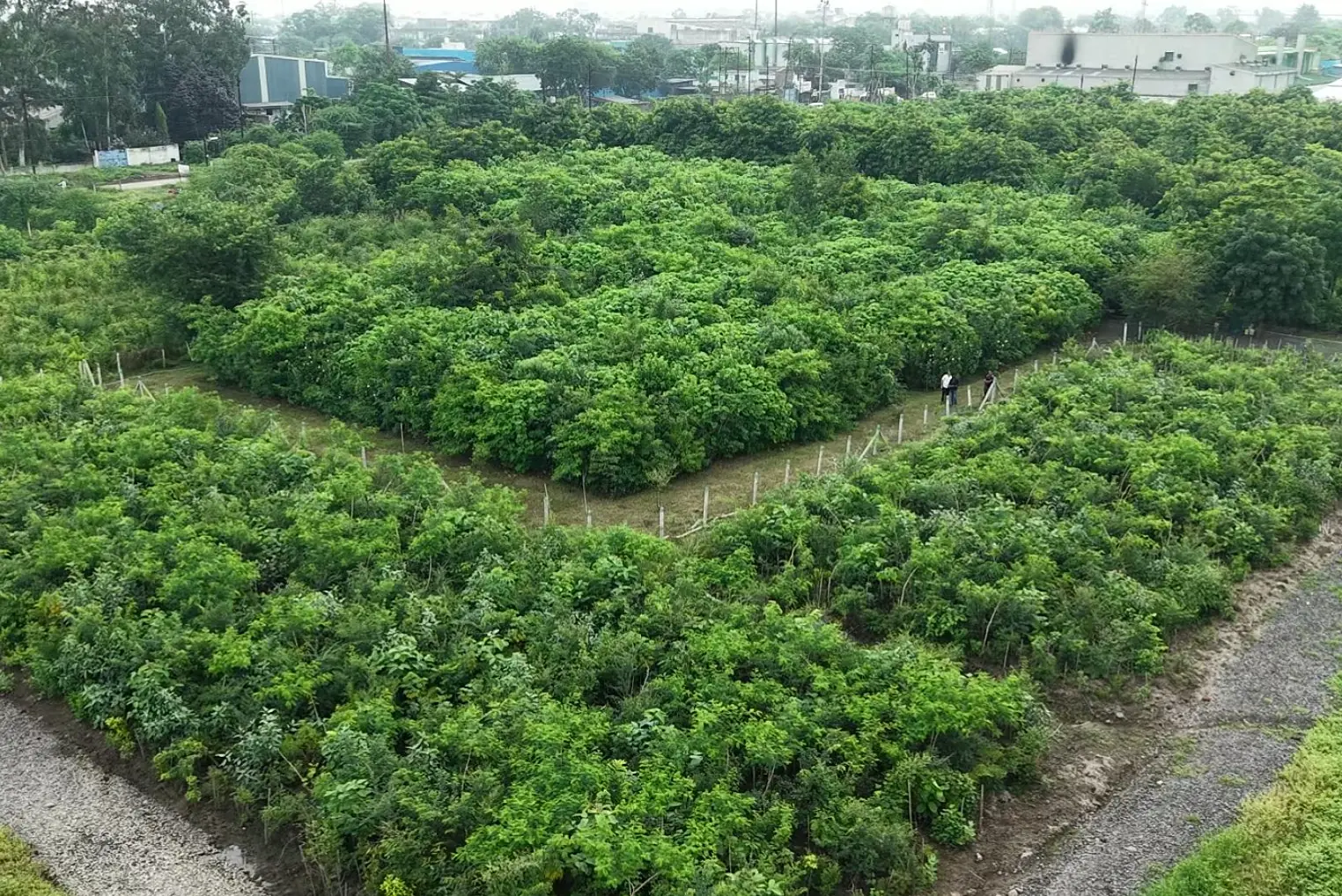
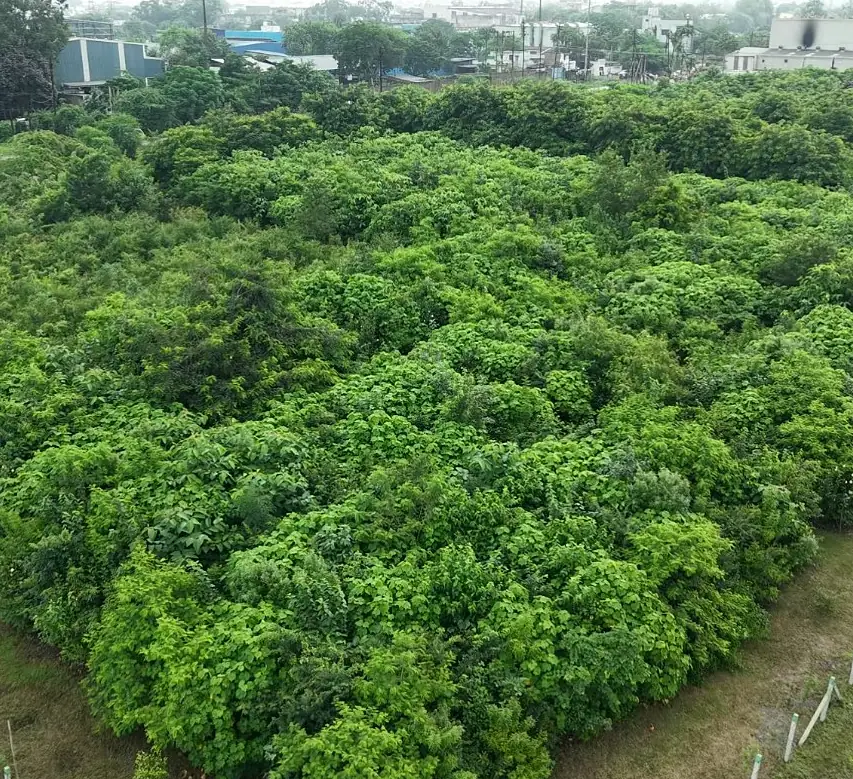
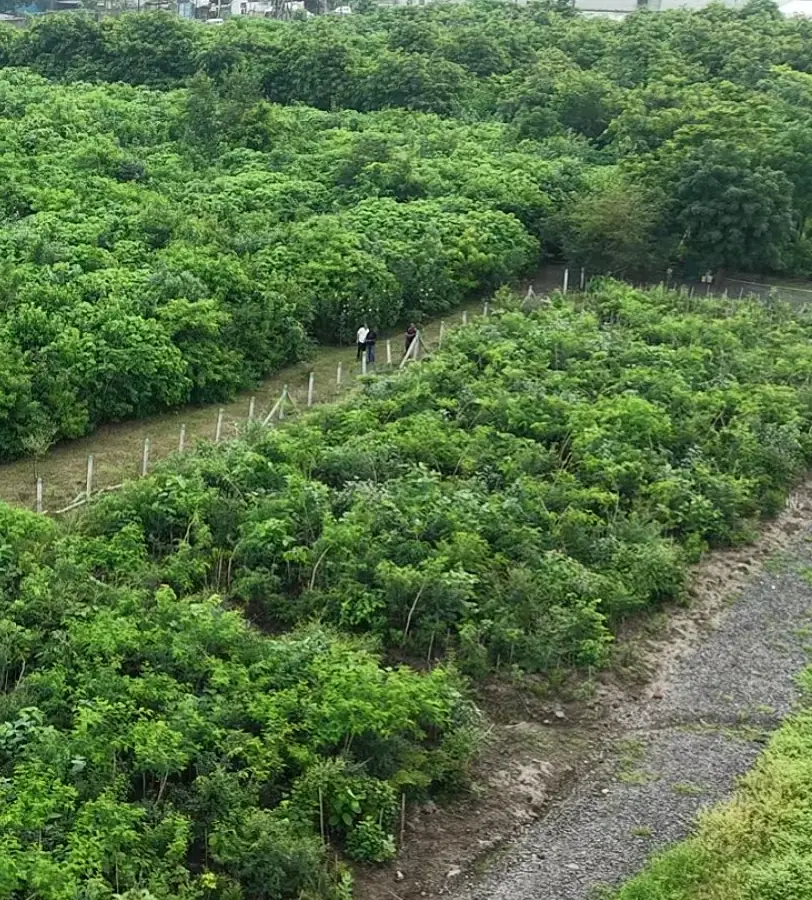
Our featured project, 13 months after planting
More than 1,00,000 native trees planted so far.
In Hindi, ghanera (घनेरा) means dense. That’s how we plant: native saplings set close together, racing upward for light until they grow into a forest that looks after itself.
From bare land to jungle, in four steps.
- 01
Site survey
We study the soil, water and sunlight, and list the native species that belong there.
- 02
Soil preparation
The ground is dug and enriched with organic matter so young roots can grow fast.
- 03
Dense planting
Saplings of shrub, sub-tree, tree and canopy layers are planted close together and mulched.
- 04
Care until it thrives
Regular watering and weeding until the canopy closes and the forest sustains itself.
Why companies, schools and societies choose us.
Every forest we plant is built to last: the right native species, planted the Miyawaki way, and looked after until it can stand on its own.
100% native species
Every species is chosen for the local soil and climate, so the forest belongs where it grows.
Dense, layered planting
Shrub, sub-tree, tree and canopy layers planted close together, so they race upward and close the canopy fast.
Care until it thrives
Watering, weeding, mulching and monitoring until the forest becomes self-sustaining.
Progress you can report
Regular progress reports for your team, your CSR committee or your residents.
How big could your forest be?
Enter your land area to see roughly how many native saplings a Miyawaki forest on it would hold.
Based on the Miyawaki method’s typical density of three to five saplings per square metre. Your real plan depends on the soil, the sunlight and the species chosen.
Get a plan for this landForests, not just trees.
A Miyawaki forest is a whole ecosystem: dense, layered, native and able to look after itself. See how it works, what we build and what we’ve grown.